
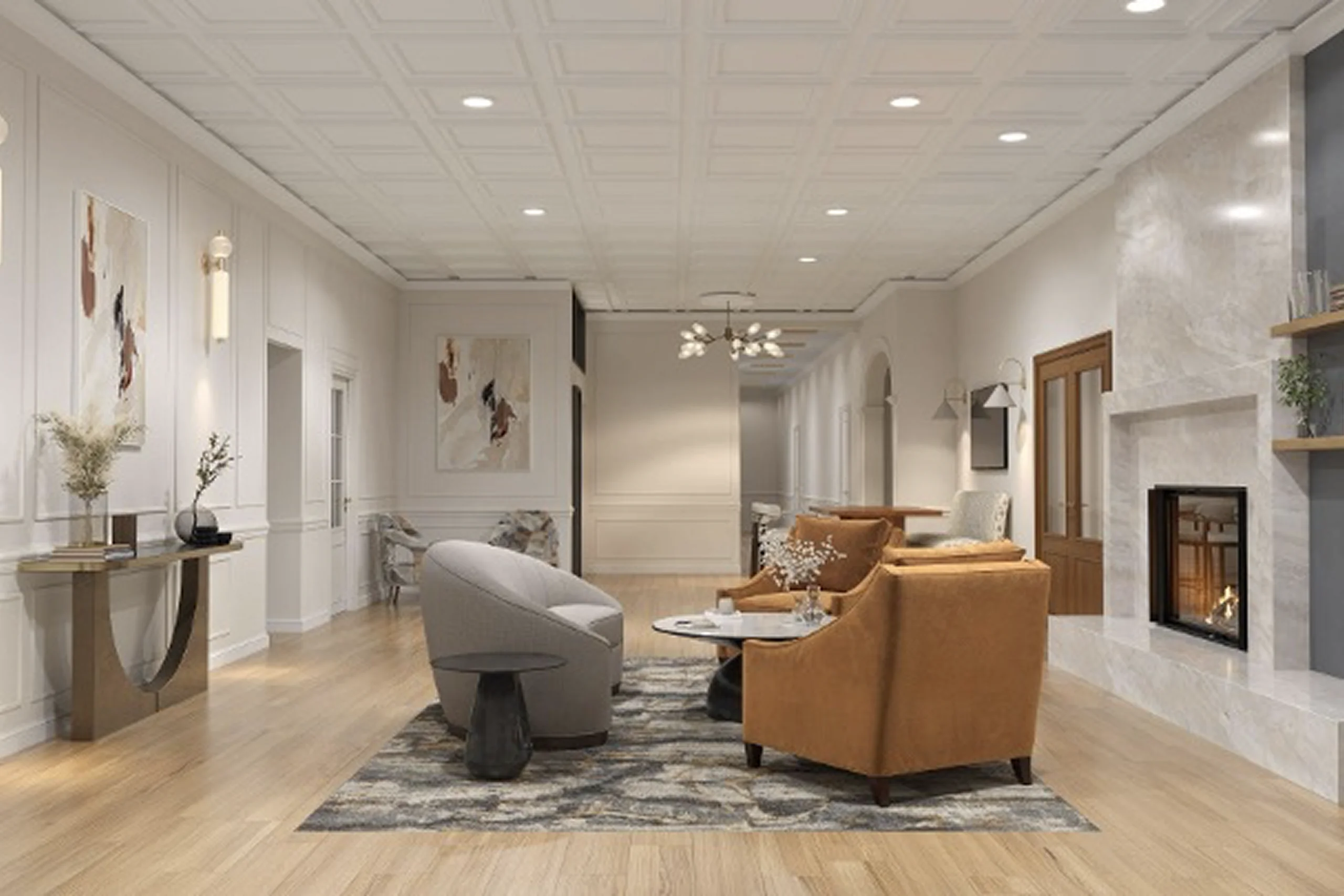
A community clubhouse should feel like an extension of home. It’s where neighbors gather, friendships develop, celebrations take place, and residents come together to enjoy the community they’ve chosen to live in.
For HOA and condominium boards planning a clubhouse renovation, creating that sense of comfort and connection should be just as important as selecting beautiful finishes and furnishings.
The challenge is that a clubhouse isn’t a living room. It’s a shared commercial environment that must accommodate different activities, withstand frequent use, and serve residents with a wide range of preferences and needs.
The best clubhouse designs bring together the comfort of residential interiors with the functionality and durability of commercial spaces.
Design Around How Residents Want to Use the Space
Before selecting furniture or finishes, consider how residents will actually spend their time in the clubhouse.
A large gathering space might need to accommodate association meetings, private celebrations, and community events. A lounge might serve as a place for neighbors to socialize, while also offering a quiet corner for reading or relaxing.
These activities don’t necessarily require separate rooms. Thoughtful space planning can create distinct areas within a larger space, using furniture groupings, lighting, and architectural features to establish different settings.
Variety matters. Some residents may prefer a lively, open seating area, while others value a more intimate space for conversation. Offering different seating arrangements, levels of privacy, and types of gathering spaces makes a clubhouse more useful to the entire community.
Create the Comfort of Home
Think about what makes a living room inviting. Comfortable seating, warm lighting, interesting textures, artwork, and furnishings arranged to encourage conversation all contribute to the experience.
Those same principles can transform the atmosphere of a community clubhouse.
Rather than relying exclusively on matching furniture sets and large, open seating arrangements, designers can incorporate smaller furniture groupings, upholstered seating, decorative lighting, and carefully selected accessories.
The goal isn’t to make every clubhouse look like someone’s house. It’s to create a welcoming environment that reflects the character of the community and makes residents feel at ease.
A clubhouse serving an active adult community may call for a different atmosphere than one serving a luxury waterfront condominium. The right design should reflect the people who use the space.
Residential Comfort Requires Commercial Durability
A sofa may look beautiful in a residential showroom, but that doesn’t necessarily make it appropriate for a community clubhouse.
Shared spaces place greater demands on furniture, fabrics, flooring, and finishes. Products must be selected with an understanding of how frequently they’ll be used, how they’ll be maintained, and how long they’re expected to last.
Fortunately, commercial furniture manufacturers now offer an extensive range of residential-inspired designs with the performance characteristics required for shared environments.
This allows designers to incorporate softer silhouettes, upholstered seating, decorative fabrics, and more varied materials without sacrificing practical considerations such as cleanability, wear resistance, and commercial warranties.
Accessibility, seating comfort, stability, and applicable fire and building requirements also need to inform these selections.
A residential appearance shouldn’t come at the expense of commercial performance. Both are necessary for a successful clubhouse interior.
Think Beyond the Furniture
Creating an inviting clubhouse involves more than selecting comfortable chairs and sofas.
Lighting, flooring, wall treatments, window coverings, and acoustics all influence how a space looks, feels, and functions.
For example, a lounge that hosts both social gatherings and quiet activities may benefit from layered lighting and finishes that help control noise. A multipurpose room might need durable flooring and furniture that can be rearranged easily for different events.
These elements should be planned together rather than selected independently. A cohesive interior makes the space more comfortable, functional, and visually appealing.
Make the Community’s Investment Last
For an HOA or condominium board, a clubhouse renovation is a significant investment of community funds. The decisions made during design can affect maintenance requirements, replacement costs, and resident satisfaction for years to come.
That makes it important to look beyond initial appearance and purchase price.
Sometimes, investing in a more durable upholstery fabric or a higher-quality seating product is justified by its expected service life. In other situations, refinishing existing architectural elements or retaining serviceable furniture can preserve budget for improvements that matter more to residents.
A thoughtful renovation balances appearance, functionality, durability, and cost, directing resources toward the features that will have the greatest impact on the community.
A Clubhouse Worth Coming Together For
A well-designed clubhouse is more than an attractive amenity. It offers residents a place to connect, relax, and participate in community life.
Achieving that doesn’t require following the latest design trend. It requires understanding the community, creating spaces that support how people want to live, and selecting materials and furnishings that can perform over time.
At Design Alternatives, we help New Jersey residential communities plan and renovate clubhouses and shared spaces, bringing together interior design, commercial furnishings, and construction.
Considering a clubhouse renovation? We can help your board evaluate the existing space, establish priorities, and develop a design and budget that reflect your community’s goals.